Conference Speakers
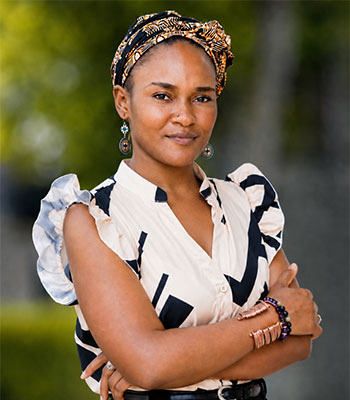
Harriet Lukiya Mphande is the Operations Manager at the Lusaka Animal Welfare Society (LAWS) and has been actively engaged in animal welfare since 2014. She leads shelter operations, community programmes, fundraising initiatives, strategic partnerships, and outreach activities aimed at improving the welfare of animals and strengthening community involvement in Zambia. Her work includes animal rescue, rehabilitation, rehoming, rabies prevention campaigns, responsible pet ownership education, school outreach programmes, and community-based sterilization and vaccination initiatives. Harriet works collaboratively with government institutions, veterinary professionals, educational institutions, private sector partners, and animal welfare organizations to promote sustainable approaches to animal welfare. She believes that lasting change goes beyond rescue and rehabilitation and must include education, community engagement, responsible ownership, and stronger systems that prevent animal suffering. Harriet has contributed to Zambia’s rabies strategy review process and supports collaborative efforts towards the global goal of eliminating dog-mediated human rabies by 2030. She is passionate about building compassionate communities where empathy, responsible pet ownership, and practical solutions improve the wellbeing of both animals and people.

Dr Yelliah is the World Organisation for Animal Health (WOAH) National Focal Point for Animal Welfare for South Africa and works with a broad range of stakeholders to support the development and implementation of policy, legislation, and standards relating to animal health and welfare. Her portfolio also includes national oversight of the Compulsory Community Service Programme, veterinary capacity development, livestock traceability, and sustainable veterinary service delivery.
Prior to her role in veterinary policy and programme management, Dr Yelliah spent several years as a clinical State Veterinarian serving resource-limited areas and working directly alongside communities, emerging farmers, and animal welfare organisations. Her years in clinical service continue to shape her approach to policy development, bringing a practical, field-based perspective to legislative reform and programme design. She remains focused on ensuring that national frameworks are informed by the realities experienced by those impacted by them, including communities, farmers, animal welfare organisations, regulatory authorities, and other stakeholders.
Dr Yelliah is committed to advancing animal health and welfare through inclusive, evidence-based approaches that recognize the diverse perspectives and contributions required to develop practical and sustainable solutions.
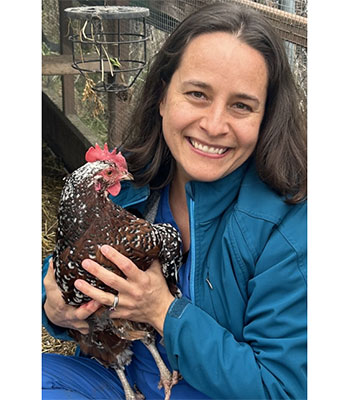
Dr. Gwendolen Reyes-Illg is a multi-species veterinarian with a background in animal and veterinary ethics. In the past, she has provided veterinary care to companion animals in vet clinics and animal shelters, chimpanzees in sanctuaries, and wildlife in rehabilitation centers. Currently, Dr. Reyes-Illg’s professional focus is advancing the welfare of animals used in agriculture, both as a consultant for the Animal Welfare Institute and as co-executive director for the Veterinary Association for Farm Animal Welfare. She works to reduce farmed animals’ vulnerability to circumstances that result in depopulation (mass emergency killing) and to advance depopulation methods that avoid pain and distress. While she is based in the United States, her veterinary and animal welfare work has previously brought her to Cameroon, Uganda, Kenya, and South Africa.
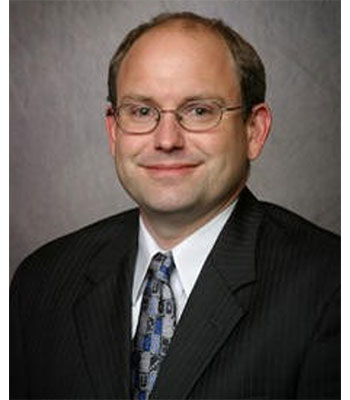
LWS has guided numerous organizations through the process of preparing, planning, and responding to livestock emergencies. LWS strives to improve the design and operations of mass depopulation technologies. Recent R&D projects have included efforts to improve depopulation with firearms, captive bolting, containerized and whole house gassing, high expansion nitrogen foam and high voltage electrocution systems.
Mr. Hill also serves on the Board of Directors for the Veterinary Association for Farm Animal Welfare (VAFAW).
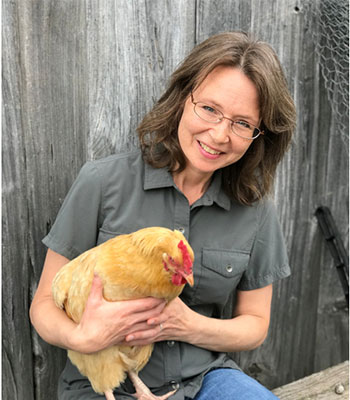
She is currently the Managing Director of Farm Animal Welfare Science at Humane World for Animals and has been working with the organization for 20 years. She specializes in the welfare of farm animals and provides scientific and technical information to governments, food retailers, universities, producers, standard setting bodies and advocacy organizations. She is a published author of several original research articles, reviews and organizational white papers.
She served as a U.S. Delegate to the International Organization for Standardization (ISO) TC34 Working Group on Animal Welfare and was a committee member for the American Veterinary Medical Association panel on depopulation. She is past-Chair of the International Coalition for Animal Welfare (ICFAW), the official NGO body recognized by the World Organization for Animal Health (WOAH).
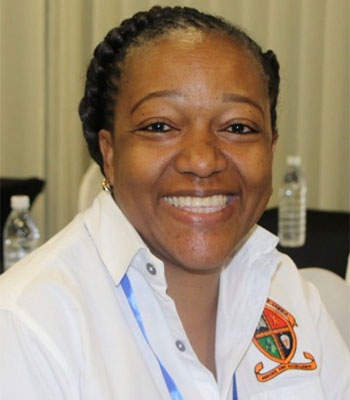
Dr. Ntombi B. Mudenda is a Senior Lecturer at the University of Zambia, School of Veterinary Medicine, with extensive leadership experience in clinical studies, antimicrobial resistance (AMR) research, and public health advocacy. She has served as Head of the Department of Clinical Studies, President of the Veterinary Association of Zambia, Councillor on the World Veterinary Association Council and Principal Investigator on national AMR projects, advancing policy dialogue and surveillance capacity. Dr. Mudenda is also recognized for her leadership in rabies prevention, coordinating vaccination campaigns and awareness initiatives in collaboration with government and civil society. A dedicated mentor, she has guided veterinary students and graduates to integrate scientific expertise with ethical practice, preparing the next generation of professionals to address pressing animal and public health challenges.
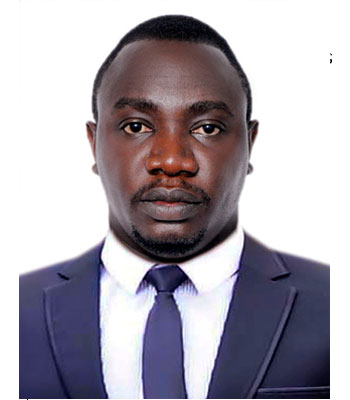
Dr. Ssuna Paul is the director of the Animal Welfare Competence Center for Africa (AWeCCA) and an assistant lecturer at Makerere University in Uganda. He holds a Bachelor’s degree in Veterinary medicine from Makerere University Kampala, Uganda and a Master’s degree in Applied Animal Behavior and Animal Welfare from the University of Edinburgh, UK. He is a researcher and advocate for animal welfare in Uganda and Africa at large. He is largely involved in animal welfare policy advocacy, supporting NGOs in improving animal welfare in their projects, farm animal welfare research, mentorship, mobilization and empowerment of young generation towards responsible ownership of animals.
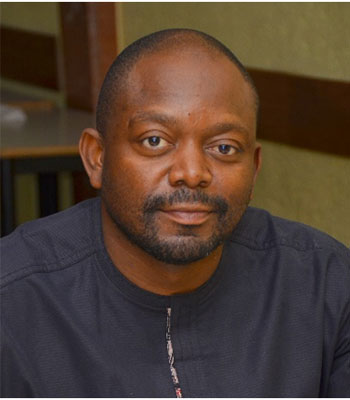
He was also fully involved in the development, implementation and review of the current Africa CDC LQMS curriculum including the Africa CDC Laboratory Leadership Progamme curriculum. He served as a Clinic Manager for the school veterinary clinic, where he was responsible for effective management of the clinic and service laboratory, including coordinating and networking of referral laboratory and clinical services with private veterinary clinics and animal welfare facilities.
He has successfully led the development and implementation of LQMS at the School of Veterinary Medicine in the Department of Clinical Studies Service Laboratory. He has vast experience in veterinary clinical consultation, teaching, research, laboratory diagnostic services, and drafting strategic plans, regulations and guidelines. He holds a Doctor of Philosophy in Veterinary Science (PhD) from Hokkaido University in Japan, a Master of Science in Parasitic Infectious Diseases (MSc) and a Bachelor’s Degree in Veterinary Medicine (BVM) both earned at the University of Zambia.
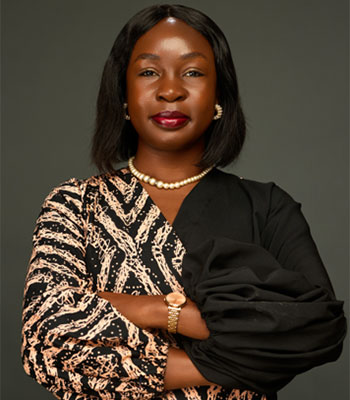
Aurelia advises the EA Animal Welfare Fund on grantmaking decisions and portfolio strategy in Africa. She is also the co-founder of the Africa Food Ecosystem Series, a training program building the capacity of animal welfare advocates across Africa, and co-authored research with Rethink Priorities on the expansion of factory farming across the continent.
Her writing on Africa food systems, development finance, and philanthropic strategy has been published on the EA Forum and Rethink Priorities’ Substack, reaching funders and advocates across the global animal welfare movement.
She is based in Nairobi, Kenya.
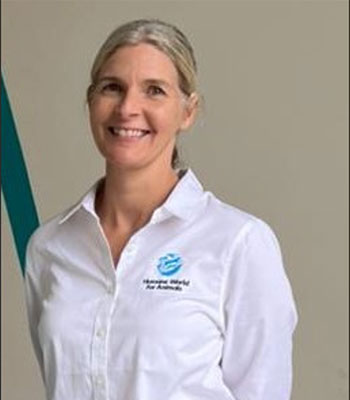
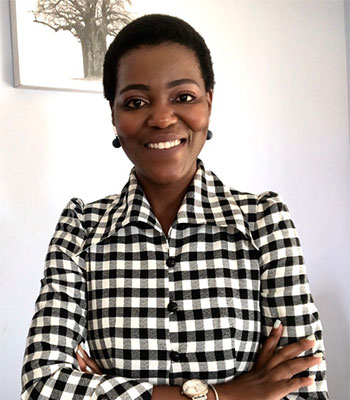
Zanele Cindi is completing an MPhil specialising in Health Humanities and the Arts at the University of Cape Town. Her academic research is exploring how adolescent children perceive, experience and navigate their food environments. She is currently working closely with THAT Project, an intersectional social justice organisation in South Africa with the mission to connect animal advocacy with human rights and environmental protection. Zanele’s research interests are food (food systems, food sovereignty, food justice), complementary and alternative medicine, child-centred research, indigenous knowledge systems, planetary health and ecofeminism.
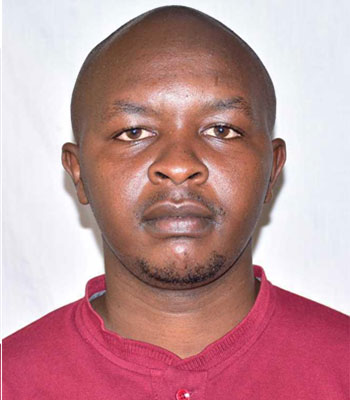
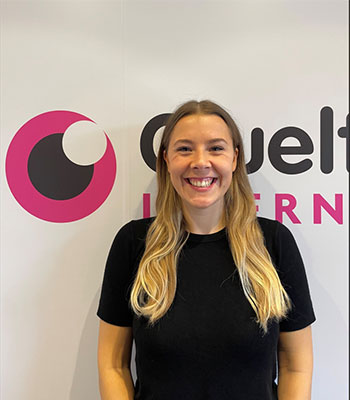
Grace Robinson is the International Policy Manager at Cruelty Free International, the leading organisation working to end animal testing worldwide. Holding an MSc in Sustainable Development, Grace works to influence global policy ensuring that animals in laboratories are on the agenda. As a representative of Cruelty Free International, an ECOSOC-accredited organisation, Grace engages with the United Nations system to drive progress towards a world free from testing on animals, as well as working to ensure animals are represented in the Sustainable Development Goals. Grace additionally serves as Co-Lead of the Animal Issues Thematic Cluster of the NGO Major Group, coordinating civil society voices on animal welfare across the United Nations system
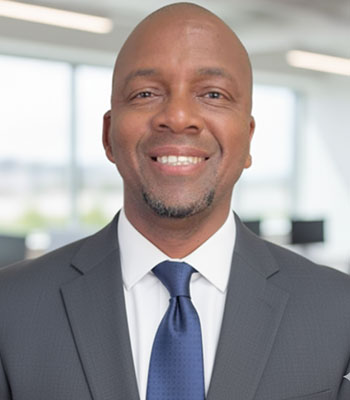
Tozie Zokufa is a South African animal welfare advocate and veterinary public health specialist whose career spans more than two decades across the public sector, private industry, and international civil society. He currently serves as Executive Director of the Coalition of African Animal Welfare Organisations (CAAWO), based in Cape Town, from where he leads continental efforts to build African-led animal welfare frameworks in partnership with governments, NGOs, and communities.
His distinguishing characteristic as an advocate is the route he took into the field: he came to animal welfare not from campaigning, but from inside the meat production system itself, having spent years inspecting the very facilities he would later work to reform.
Early Career: Inside the Meat Industry
Zokufa's professional foundation was built at abattoir level. For nine years he worked as a meat inspector, first in the private sector with International Meat Quality Assurance Services (IMQAS) and subsequently with the national Department of Agriculture. He then joined the Western Cape provincial Department of Agriculture as a Veterinary Public Health practitioner.
This period gave him detailed operational knowledge of industrial meat production — insight into slaughter practices, food safety systems, and regulatory enforcement that few advocates possess firsthand. It also prompted his shift toward advocacy: the conviction that meaningful change required working on policy rather than inspection.
Transition to Advocacy
Zokufa moved into the non-profit sector and worked with several of the world's leading farm animal welfare organisations, including Compassion in World Farming and Humane Society International (now Humane World for Animals). His work in this period focused on farm animal welfare policy, public campaigning, and the link between dietary patterns and environmental outcomes.
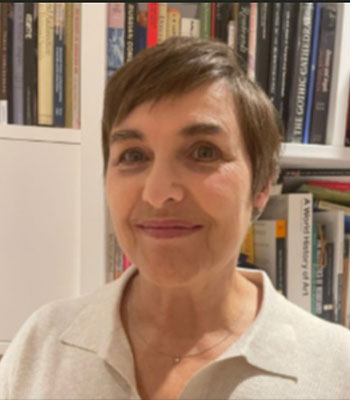
Debbie has been leading cutting edge environmental campaigns and advocacy programs, including strategic litigation, within the environment sector for more than 20years. Prior to joining the Compassion team, she was previously 8 years at WWF as Director of Advocacy and Policy heading up their wide ranging advocacy and policy team to make significant policy and advocacy interventions across climate, marine, UK nature and agriculture.
During the passage through Parliament of the UK Environment Act Debbie led the WWF UK team’s significant advocacy, ensuring the amendment on the supply of illegally sourced materials such as soy was incorporated into the Bill. She also sat on the steering committee of the Greener UK Alliance navigating the collective campaigning across the environment sector. Before joining WWF, Debbie practiced as an environmental and human rights barrister/solicitor for more than 15 years and litigated a wide range of environmental , conservation and human rights legal issues on behalf of civil society groups.
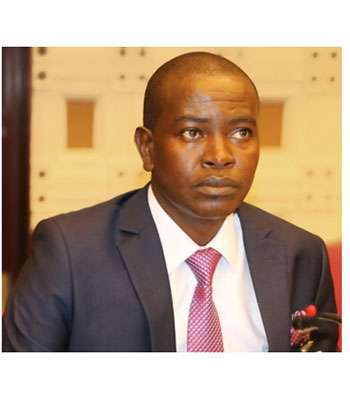
Sebastian currently serves as Head of Communications at the Africa Network for Animal Welfare (ANAW), where he has played a leading role in strengthening the organization’s media advocacy for animal welfare. Through robust media engagement, he has helped create agenda-setting conversations and built the capacity of journalists through animal welfare media workshops across Africa’s five economic zones.
His passion for writing has led him to publish several topical articles on conservation and animal welfare in Africa across local and international media platforms, including Daily Nation, The Star Newspaper, Animals 24/7, Ubuntu Times, and UNEP Perspectives.
He holds a B.A. in Communication, specializing in Public Relations, from Daystar University in Kenya. He is currently pursuing an M.A. in International Relations and Diplomacy at Kenyatta University, Kenya.
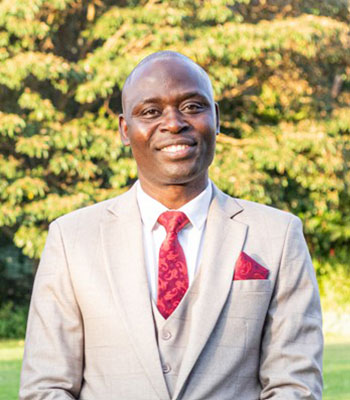
Dr. Mutizhe has played a key role in strengthening veterinary service delivery through the establishment of mobile and fixed donkey clinics, veterinary clinical skills centres, and strategic partnerships with government departments, universities, and development organisations. He has received a Training of Trainers (ToT) in the Livestock Emergency Guidelines and Standards (LEGS) and applies LEGS principles to strengthen livestock and working animal interventions across emergency preparedness, disaster response, and recovery. He also contributes to policy dialogue and capacity-building initiatives that promote the integration of working animals into national development, disaster risk reduction, and climate resilience frameworks while advancing the One Health approach.
Dr. Mutizhe holds a Bachelor of Veterinary Science, a Master of Science in Food Security and Sustainable Agriculture, a Master of Social Science in Development Studies, a Master in Business Leadership (MBL), and a Diploma in Project Planning and Management. His professional work focuses on advancing working animal welfare, One Health, climate resilience, and disaster risk reduction while strengthening the contribution of working animals to sustainable livelihoods, food security, and resilient rural development.
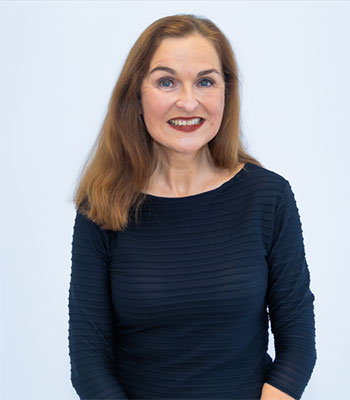
She has prior management experience in a multinational consumer goods company with responsibility spanning Africa and Middle East markets. Her expertise has been applied to health development by leading impact focused projects in markets such as South Africa, Kenya and Malawi. She is Chairperson of the Board for The Jumpstart Foundation, an education NPO, and Managing Director for Ethical Seafood Research, with oversight of organisation-wide operations and strategy.
Jacqui's impact objectives are focused on food system transformation and farmed animal protection in the culturally complex African context.
Her studies have been in the fields of industrial psychology, behaviour change, growth marketing, research, global leadership and social impact. She holds an MBA specialising in executive management.
Jacqui@EthicalSeafoodResearch.org
Linkedin.com/in/Jacqui-Greeff
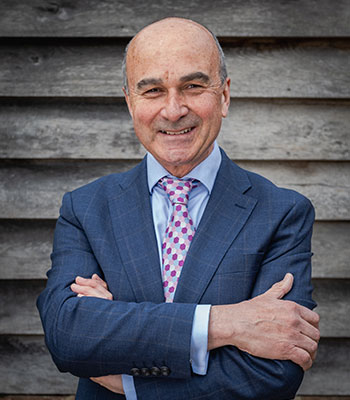
A highly respected global speaker, Philip’s work has shaped global discourse on the environmental, health, and ethical impacts of industrial farming, while advocating nature-positive solutions for a resilient future. He actively promotes holistic, systemic change - championing nature-friendly agriculture and One Health approaches that recognise the interdependence of human, animal, and environmental wellbeing.
https://philiplymbery.com
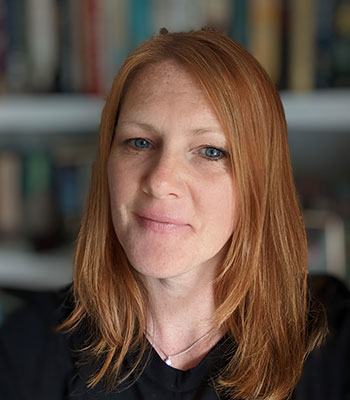
Previously, Sam held senior roles at the NSPCC, LimeCulture, the Ministry of Justice, Unicef UK and the Children’s Alliance for England, shaping national policy on child protection, sexual violence, and vulnerability; and managing significant programme and funding portfolios. In combining strong evidence, stakeholder engagement, and strategic leadership, Sam has a track record of delivering impactful reform, amplifying lived experience, and strengthening the systems that protect and empower children, young people and vulnerable adults.
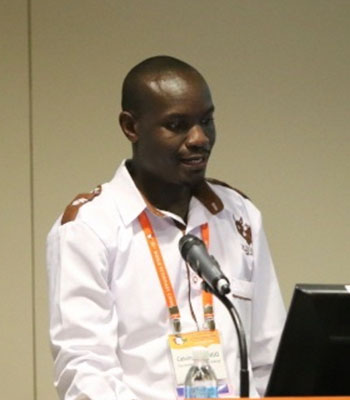
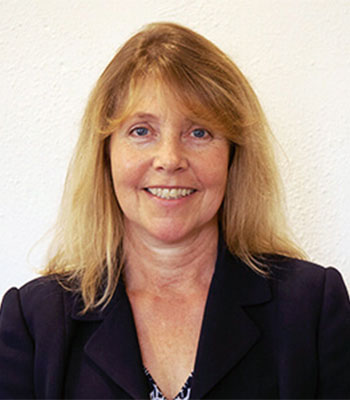
Susan obtained a Bachelor of Science degree in environmental health and a Master of Business Administration from the University of Wales in the United Kingdom. She served as an environmental health officer for various local governments in South Wales for several years before becoming a civilian environmental specialist for the United States Navy overseeing its environmental compliance with UK and European legislation at numerous installations throughout the United Kingdom.
After moving to the United States, Susan worked at the University of Illinois at Urbana-Champaign, researching and drafting the university's first oil Spill Prevention, Control and Countermeasure Plan. She later worked for various environmental engineering firms on numerous environmental projects, while also volunteering at animal shelters, a wild bird sanctuary, and on beach/river clean ups.
Susan joined AWI in 2003 and has served in various roles, including as research associate, director of AWI's marine wildlife program and executive director. Susan has represented AWI at the United Nations General Assembly, as well as at other multilateral environmental agreements involving the negotiation and refinement of international wildlife protection such as the Convention on International Trade in Endangered Species of Wild Fauna and Flora (CITES), the International Whaling Commission, the Cartegena Convention, and the Convention on Biological Diversity.
In addition to being AWI’s executive director and CEO, Susan also serves on the boards of other non-profit organizations, including Monitor Caribbean which works closely with AWI to preserve the biodiversity of the Wider Caribbean region, and the Species Survival Network, which works to strengthen wildlife protections established through CITES.
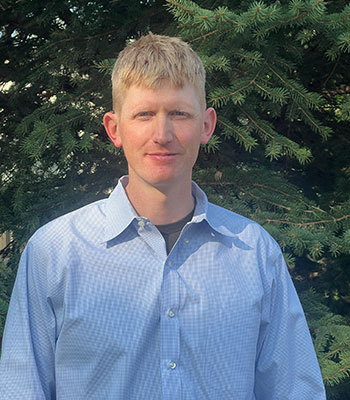
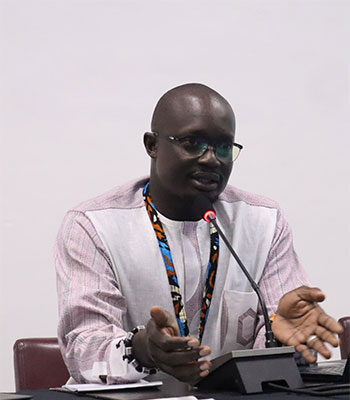
Isaiah began his professional career in the information technology sector, where he accumulated over ten years of experience in systems and technology support. Driven by a passion for environmental sustainability and inclusive governance, he joined the United Nations Environment Programme (UNEP) in 2014, bringing with him a strong technical foundation and a commitment to stakeholder engagement.
At UNEP, Isaiah has played a pivotal role in fostering meaningful participation of Major Groups and Stakeholders (MGS) in the United Nations Environment Assembly (UNEA), its subsidiary bodies, and other UNEP-led intergovernmental processes. Serving as the focal point for organizations across the African region, he has been instrumental in strengthening collaboration between UNEP and civil society organizations, ensuring that African stakeholders effectively contribute to environmental policy discussions and decision-making processes at regional and global levels.
A key achievement in his role has been overseeing the development and implementation of Memoranda of Understanding (MOUs) between UNEP and accredited organizations from Africa. These strategic partnerships have enhanced collaboration and expanded opportunities for stakeholder participation in environmental governance initiatives. Notably, these efforts contributed to the establishment of the annual Animal Welfare Conference, organized jointly by UNEP and the Africa Network for Animal Welfare (ANAW). The conference has successfully convened stakeholders across the continent, with editions held in Nairobi, Kenya; Addis Ababa, Ethiopia; and virtually during the COVID-19 pandemic, ensuring continuity of engagement despite global challenges.
With more than seven years of experience within the United Nations system and extensive engagement with civil society organizations in the environmental advocacy sphere, Isaiah brings strong expertise in partnership development, stakeholder coordination, institutional collaboration, and inclusive environmental governance. His work continues to advance meaningful participation of African organizations in global environmental processes and strengthen the linkage between civil society and international environmental decision-making frameworks.
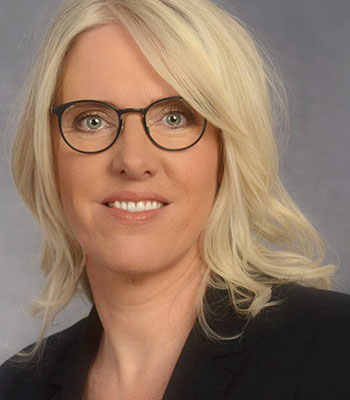
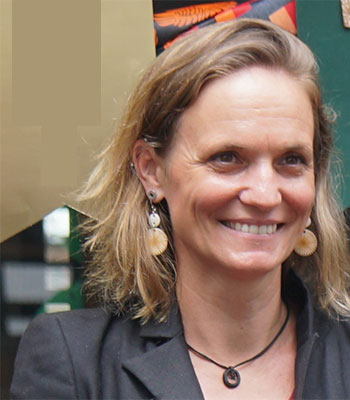
Peggy brings more than 18 years of primatology experience, including wild primate habituation, behavioural monitoring, rehabilitation, and conservation management. Her work has taken her across Zambia, Cameroon, Gabon, the Republic of Congo, and Morocco, where she has managed complex conservation programmes in some of Africa’s most ecologically significant landscapes. Prior to joining Chimfunshi, Peggy managed the Limbe Wildlife Centre, overseeing the care and rehabilitation of more than 450 rescued animals, including gorillas, chimpanzees, and African grey parrots. She directed large-scale rehabilitation and release initiatives, strengthened fundraising and reporting systems, and coordinated specialised primate socialisation programmes to improve long-term welfare outcomes for rescued apes.
Her earlier work with research institutions and conservation organisations included monitoring wild western lowland gorilla populations in the Republic of Congo, leading conservation initiatives for endangered primate species in Gabon, and managing wildlife research stations and field teams in remote forest ecosystems.
Peggy holds an MSc in Ecology, Evolution and Biometry from the Université de Lyon I in France and is fluent in both French and English. Alongside her scientific and operational expertise, she is recognised for building collaborative partnerships, mentoring field teams, and creating conservation programmes grounded in both science and community engagement.
Her leadership reflects a deep commitment to ensuring that wildlife conservation delivers lasting impact, not only for endangered species, but also for the communities that share their landscapes.
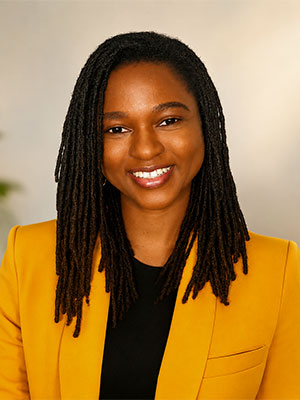
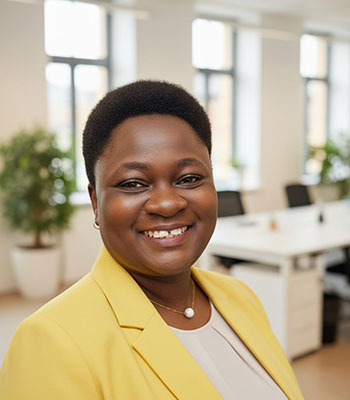
Dr. Oluwaseun Serah Iyasere is an applied farm animal ethologist. She holds a PhD in Animal Behaviour and Welfare from Newcastle University, UK, and is currently a Program Manager at welttierschutzstiftung (WTS) in Berlin and an Adjunct Associate professor in animal behaviour and welfare at the Botswana University of Agriculture and Natural Resources. With 60+ peer-reviewed publications and extensive international research experience, her research investigates the impact of stress (heat and physiological), welfare significance of mother-offspring bonds in goats and indigenous chickens, including how maternal care can positively shape chick welfare. She is the first certified Animal Welfare Officer in Africa under Cloverleaf Animal Welfare Systems, USA, a Georg Forster Research Fellow of the Alexander von Humboldt Foundation, a co-founder of the Animal Welfare Group Nigeria, and the current Development Officer for the International Society for Applied Ethology (ISAE). Dr. Iyasere is a passionate science communicator and author of Go to the Hen, where she blends animal behaviour insights with life lessons through an African lens.
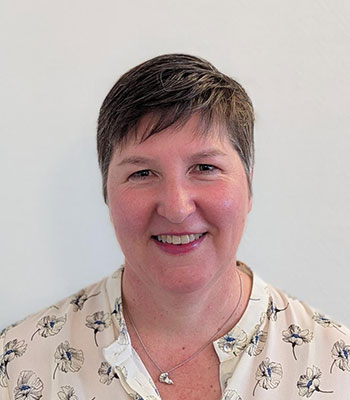
Carolyn holds a post graduate diploma in business administration and is a Member of the Australia New Zealand College of Veterinary Scientists, where she serves the veterinary profession on the Council (Board of Directors) and as President of the Animal Welfare Chapter.
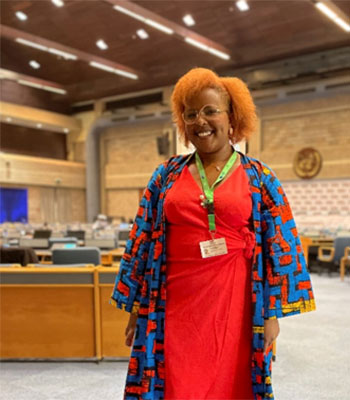
Her experience spans animal welfare policy and practice, veterinary public health, wildlife health and conservation, capacity strengthening, and multi-stakeholder coordination.
Dr. Njeri is particularly interested in translating scientific evidence and policy commitments into practical solutions that strengthen animal welfare systems and advance sustainable outcomes for animals, people and the environment.
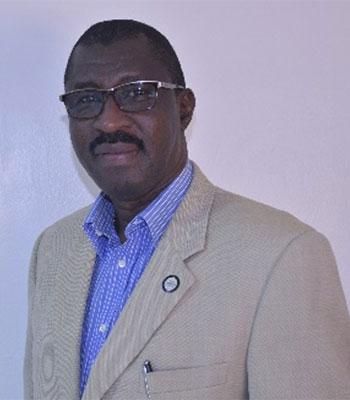
As an international development specialist, with over Twenty-five years of experience with International Livestock Research Institute Nairobi, ActionAid International and World Animal Protection, Tennyson has held several senior management positions directing Africa-wide regional programmes.
As the Director for Africa at World Animal Protection, Tennyson has spearheaded significant advancements in animal welfare across the continent. His extensive work in directing regional programming and his pivotal role in initiatives like the Animal Protection Index, the development of the Animal Welfare Strategy for Africa (AWSA) and the call for a just transition to equitable, humane and sustainable food systems within the climate space, underscore his commitment to mainstreaming animal welfare on a global scale. Tennyson has strategic insights and deep understanding of the nexus between animal, human and environmental health which is critical for delivering systemic change on a global scale.
Originally from Sierra Leone, he was the ActionAid Kenya Country Director responsible for directing programmes and shaping the development of the organisation in the country. Prior to that, he was ActionAid International Director for West and Central Africa, responsible for providing leadership and management support to nine countries in West and Central Africa, and promoting the causes targeted by ActionAid International.
Before that, he was Country Director for ActionAid in Sierra Leone focusing on poverty reduction and humanitarian interventions. While in Sierra Leone, Tennyson led the development process of the country strategy paper and contributed to the positioning of Sierra Leone’s development agenda at national and international levels.
Tennyson was also involved in several research and consultancy projects and contributed to the design of civil society programmes, undertook the evaluation of various programmes and served on the boards of ActionAid International UK and Open Society Initiative for West Africa.
Tennyson holds an MSC. in Zoology, BSC in Agriculture, Diploma in Epidemiology and control of Human Vector- Borne diseases and a certificate in Human Resources and Industrial Relations Management.
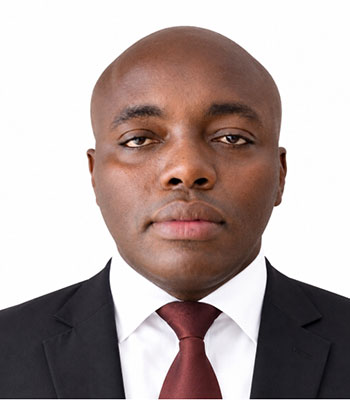
He holds a Doctor of Philosophy (PhD) in Criminology and Security Studies from Chuka University, a Master of Arts in Conflicts, Governance and International Development from the University of East Anglia, United Kingdom, and a Bachelor of Arts in Criminology and Security Studies from Egerton University. He is committed to accountability, integrity, and evidence-based decision-making in the promotion of good governance in the public sector. He is a member of the Kenya Professional Society of Criminology (KEPSOC).
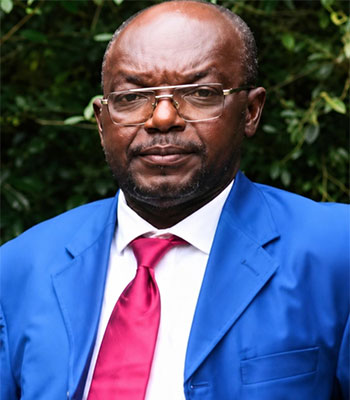
A Doctor of Veterinary Medicine with a Master's degree in Animal Biotechnology, Dr. Boussini is internationally recognized for his expertise in animal health systems, epidemiology, transboundary animal diseases, veterinary public health, wildlife health, livestock policy, and the One Health approach.
During his tenure at AU-IBAR, he served as Head of the Animal Health Unit and Coordinator of the Pan-African PPR Secretariat, leading continental initiatives on the African Animal Health Strategy (AHSA), the African Animal Welfare Strategy (AWSA), and the African Animal Welfare Platform (APAW). He has provided technical leadership to African Union Member States in disease surveillance, emergency response, veterinary systems strengthening, and livestock policy development.
Dr. Boussini has authored more than 25 peer-reviewed scientific publications and is a certified WOAH Performance of Veterinary Services (PVS) Expert and member of the WOAH Ad Hoc Group on PPR Disease Freedom. Fluent in English and French, he is widely respected for translating scientific evidence into practical policies that improve animal welfare, public health, food security, and sustainable livestock development across Africa.
As Professional Advisor to the Africa Initiative for Animal Sentience and Welfare (AIASWE) and the Africa Center for Animal Sentience (ACAS), Dr. Boussini brings forth his Francophone and Anglophone Geopolitical expertise and inclusiveness to strategic guidance on animal health, One Health, animal welfare, and the advancement of animal sentience policies across Africa, drawing on his extensive experience within the African Union system and international organizations.
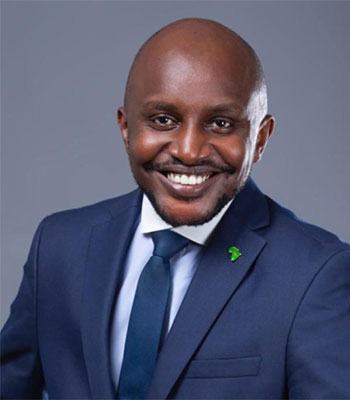
Jim holds a Master of Laws (LL.M.) from Northwestern Lewis & Clark Law School and is completing a PhD in Criminal Justice at John Jay College of Criminal Justice, City University of New York (CUNY). He is also an Advocate of theHigh Court of Kenya and holdsprofessional certifications in carbon auditing and carbon management. His research and publications focuson wildlife crime,environmental law,carbon market integrity,and conservation policy, with numerous peer-reviewed articles, book chapters, and monographs to his name.
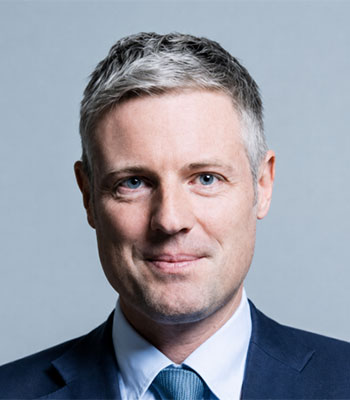
A lifelong environmental advocate, Lord Goldsmith has dedicated his career to conservation and sustainability. He began as Editor of The Ecologist magazine before entering public service as a Member of Parliament and later becoming a Government Minister and Conservative peer in the House of Lords.
In 2019, he was appointed Minister attending Cabinet, with responsibilities spanning the UK Foreign, Commonwealth & Development Office and the Department for Environment, Food and Rural Affairs. He served as Minister of State until June 2023, overseeing portfolios including forests, oceans, biodiversity, climate change, the illegal wildlife trade, the Pacific region, and the UK Overseas Territories.
Lord Goldsmith played a significant role in advancing global environmental policy, including the delivery of the Glasgow Leaders’ Declaration at COP26, the adoption of the Kunming-Montreal Global Biodiversity Framework at CBD COP15, and the establishment of the Global Ocean Alliance, a coalition of countries committed to strengthening ocean protection.
In recognition of his international environmental leadership, he was awarded Colombia’s Order of Boyacá in 2022 by President Iván Duque — the country’s highest honour for a non-Colombian national. The same year, he received Gabon’s Order of the Etoile Équatoriale from President Ali Bongo Ondimba.
Lord Goldsmith served as Member of Parliament for Richmond Park from 2010 to 2016 and from 2017 to 2019. Prior to his political career, he spent a decade directing and editing The Ecologist magazine and received Mikhail Gorbachev’s Global Green Award for International Environmental Leadership.
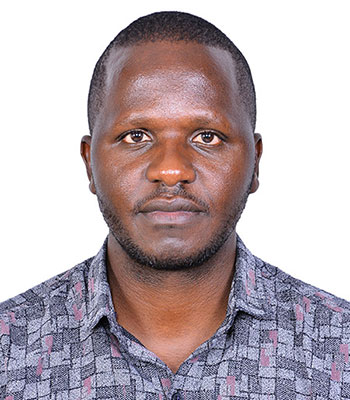
With postgraduate training in Veterinary Epidemiology and Public Health from the Royal Veterinary College, University of London, Patrick brings a multidisciplinary perspective to animal welfare and advocacy. His work focuses on the interconnected challenges of animal welfare, animal health, environmental sustainability and food systems, with particular interest in agroecology, humane and climate-resilient agriculture, and campaigning for more equitable and sustainable food systems in Africa and beyond.
Patrick Muinde is the Research and Planning Manager at the World Animal Protection; an organization committed to inspiring and mobilizing global efforts to safeguard animal welfare. In his role, Patrick is responsible for planning and generating data that shapes impactful, evidence –based campaigns.
Previously, Patrick worked at International Livestock Research Institute, where he contributed to various multidisciplinary research projects on antimicrobial resistance, emergence and spread of zoonotic diseases and livestock value chains and their risks to food safety.
With a background in Veterinary Medicine, and post-graduate training in Veterinary Epidemiology and Public health from the Royal Veterinary College, University of London, Patrick brings expert insights to animal welfare research and advisory platforms. He champions agroecological practices and humane, climate-resilient agriculture to support the transformation of global food systems.
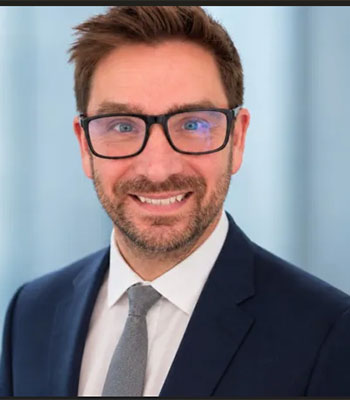
James brings more than 25 years of international leadership experience across international development, global health and the charity sector. Before joining Working Animals International, he was Managing Director of Options, an international development organisation working with governments, civil society, communities and partners in low-income countries. There, he led the organisation’s global strategy and operations across 15 countries. He has also held senior leadership roles at MSI Reproductive Choices and The National Lottery Community Fund.
Throughout his career, James has worked with governments, academic institutions, NGOs and communities to tackle complex international challenges, strengthen systems, influence policy and build sustainable local capacity. He has lived and worked in sub-Saharan Africa and South Asia, including with rural communities where working animals play an important role in people’s lives and livelihoods.
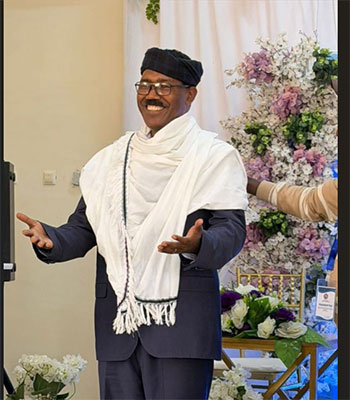
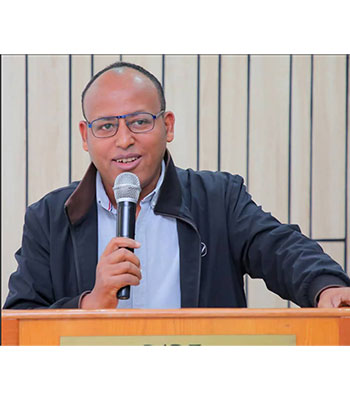
He is President of the Ethiopian Veterinary Association (EVA) and has served as Country Director of The Donkey Sanctuary Ethiopia, where he led programmes to improve the health and welfare of donkeys and other working animals, strengthen veterinary capacity, and advance animal welfare through education, research, partnerships and policy engagement. He is also a founding member of the National Animal Welfare Working Group under the Ministry of Agriculture.
Dr Bojia has contributed to the design, implementation and evaluation of integrated community-based equine health and welfare programmes across multiple sub-regions in Ethiopia, continuing professional development programmes for animal-health professionals, and the integration of animal welfare standards and guidelines into development-cooperation programmes. He has also contributed to the institutional reform and strategic development of the Ethiopian Veterinary Association.
His contributions to veterinary education and research include supporting the integration and harmonisation of animal welfare and equine health and welfare within veterinary and para-veterinary curricula in Ethiopia; developing educational materials on animal welfare; serving as a visiting professor and external examiner; and publishing solution-oriented research on animal welfare and working-equid health. He received a Special OIE Prize for an integrated community education programme and has published on integrated community-based animal welfare approaches.
At the policy and sector-development level, Dr Bojia has advocated for stronger animal health and welfare policy and legislation in Ethiopia, contributing to the development of the Animal Health and Welfare Proclamation endorsed in 2025. He has also contributed to the National Equine Development Strategy and advocated for the integration of animal welfare into sustainable livestock and rural-development programmes.
Dr Bojia holds a Doctor of Veterinary Medicine (DVM) from Addis Ababa University and postgraduate training in veterinary epidemiology from the Royal Veterinary College, University of London. He currently provides technical and strategic advice to organisations working to strengthen animal welfare, veterinary services, professional institutions, and sustainable livestock development.